
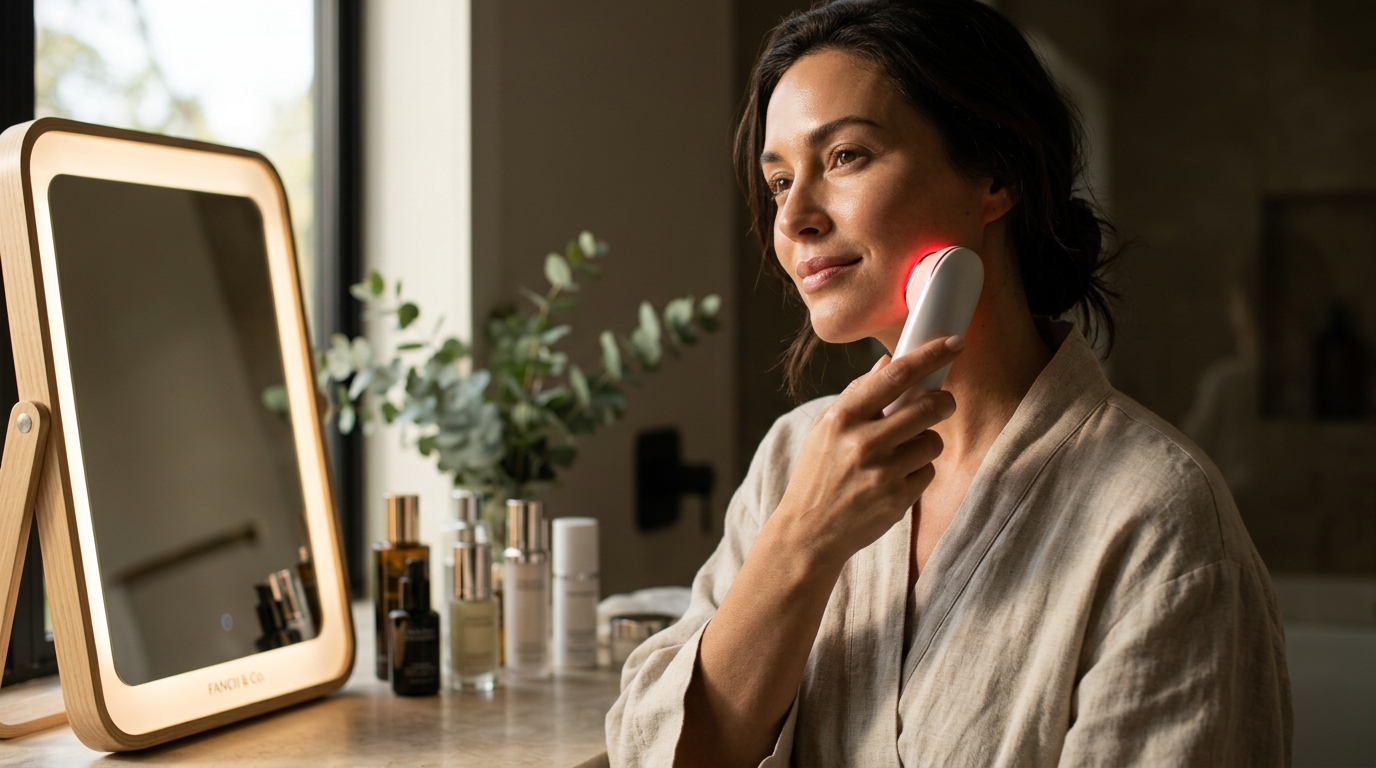
With the at-home skincare device market projected to reach $13.94 billion by 2032, it is no surprise that beauty shelves are overflowing with gadgets promising spa-worthy results. But which skincare tools actually deliver? Sorting hype from science matters now more than ever. In this guide we break down the device categories that dermatologists stand behind, explain how each one works, and show you how to build a tool-enhanced routine that pairs perfectly with proven active ingredients. Whether you are battling acne, dullness, or fine lines, the right tool can amplify every product you apply.
What Are Skincare Tools?
A skincare tool is any handheld or countertop device designed to enhance the effectiveness of your daily skincare routine through mechanical, thermal, or light-based action. Unlike topical products alone, tools target concerns at a physical level, from deep-pore cleansing to collagen stimulation.
Professional-grade facial tools from Fancii & Co. bring salon-level technology home. From facial steamers to sonic cleansing brushes, dermabrasion devices, and pore extractors, each tool targets specific skin concerns such as acne, aging, or dullness.
Why Dermatologists Endorse At-Home Devices
Many dermatologists recommend quality at-home tools as part of a comprehensive skincare routine. While professional treatments are more intensive, consistent use of at-home devices provides excellent results for maintaining treatments and achieving gradual improvements.
Sonic Cleansing Brushes
A sonic cleansing brush is a battery-powered device that uses rapid vibrations to dislodge dirt, oil, and makeup from pores more thoroughly than manual cleansing. Studies show sonic brushes can remove up to six times more makeup than hands alone, making them a staple for anyone serious about clean skin.
The Isla Facial Cleansing Brush is a popular option that offers gentle yet effective cleansing for all skin types. It can be used daily and works well even for sensitive skin when you start on the lowest intensity setting.
Best Practices for Sonic Brushes
Replace brush heads every three months. Use gentle, circular motions and limit sessions to 60 seconds. Always pair your brush with a pH-balanced cleanser to protect the skin barrier.
Facial Steamers
A facial steamer is a device that produces warm, fine mist to open pores and boost hydration in the outer layers of skin. Nano-ionic steam particles are smaller than regular steam droplets, allowing deeper penetration into the skin surface.
The Rivo Nano Ionic Facial Steamer is a best-seller for good reason. Tools like steamers and brushes help your serums and moisturizers penetrate deeper and work more effectively, turning a basic routine into a spa-level ritual.
How Often Should You Steam?
Facial steamers are best used one to two times per week. Over-use can irritate skin, so always follow product instructions and listen to your skin's response. Steam before applying serums for maximum absorption.
Microdermabrasion Devices
Microdermabrasion is a mechanical exfoliation technique that removes the outermost layer of dead skin cells, revealing brighter and smoother skin beneath. At-home devices use diamond tips or suction to replicate the in-office process at a gentler level.
The Clara Microdermabrasion Device targets acne scars, enlarged pores, and uneven texture. Dermabrasion tools should be used once per week to avoid over-exfoliation, which can weaken the skin barrier and cause redness.
LED Therapy and Microcurrent Devices
LED light therapy and microcurrent technology represent the cutting edge of at-home skincare. According to board-certified dermatologist Dr. Azadeh Shirazi, skin care devices now offer technologies once only available in dermatology offices.
How LED Therapy Works
Red light has been shown to improve acne by reducing inflammation, neutralizing acne-causing bacteria, and targeting overactive oil glands. It also activates the skin cells that produce collagen and elastin, promoting firmness and elasticity. Consistency is key; experts recommend multiple sessions per week over several months.
Microcurrent Technology
Microcurrent devices use low levels of electrical current to stimulate facial muscles, helping sculpt and lift the face. According to dermatologist Dr. Marisa Garshick, microcurrent may also promote collagen and elastin production, though more research is needed.
Tool-by-Tool Comparison
| Tool Type | Primary Benefit | Frequency | Evidence Level | Example |
|---|---|---|---|---|
| Sonic Cleansing Brush | Deep pore cleansing | Daily | Strong | Isla Facial Cleansing Brush |
| Nano Ionic Steamer | Hydration and product absorption | 1-2x per week | Moderate | Rivo Nano Ionic Facial Steamer |
| Microdermabrasion Device | Exfoliation and texture refinement | 1x per week | Strong | Clara Microdermabrasion Device |
| LED Mask/Wand | Collagen stimulation and acne reduction | 3-5x per week | Moderate-Strong | Various LED devices |
| Microcurrent Device | Facial lifting and toning | 5x per week | Emerging | Various microcurrent tools |
Key Takeaways
- Skincare tools enhance your existing routine but do not replace proven active ingredients like retinoids, vitamin C, and sunscreen.
- A 2025 Northwestern University study found dermatologist consensus on just 23 out of 318 ingredients; tools amplify these proven actives.
- Sonic cleansing brushes and microdermabrasion devices have the strongest evidence for visible at-home results.
- Facial steamers boost serum and moisturizer absorption when used one to two times per week.
- LED therapy requires consistent, long-term use to deliver collagen and anti-acne benefits.
- Always start on the lowest device setting and follow recommended usage frequencies to protect your skin barrier.
- Every Fancii tool is tested by aestheticians and beauty professionals and backed by a 2-year warranty.
Frequently Asked Questions
Do skincare tools really work?
Yes. When used correctly and consistently, skincare tools deliver measurable improvements. Sonic brushes improve cleansing efficacy, steamers boost product absorption, and microdermabrasion devices refine skin texture. The key is choosing the right tool for your concern and using it at the recommended frequency.
Can I use skincare tools every day?
It depends on the tool. Cleansing brushes can be used daily, facial steamers one to two times per week, dermabrasion tools once per week, and pore extractors as needed. Over-use can irritate skin.
Are skincare tools safe for sensitive skin?
Many tools work well for sensitive skin when used correctly. Look for devices with adjustable settings so you can start on the lowest intensity and gradually increase as your skin adapts.
Do skincare tools replace my serums and moisturizers?
No. Skincare tools enhance your existing routine but do not replace it. Tools like steamers and brushes help your serums and moisturizers penetrate deeper and work more effectively. Use tools as part of your regimen, not instead of it.
What skincare ingredients should I pair with my tools?
Dermatologists recommend retinoids, vitamin C, niacinamide, hyaluronic acid, and broad-spectrum sunscreen as the most evidence-backed ingredients. A 2025 Delphi study published in the Journal of the American Academy of Dermatology confirmed consensus on these actives across 62 board-certified dermatologists.
How do at-home tools compare to professional treatments?
While professional treatments are more intensive, quality at-home tools provide excellent results with consistency. They are perfect for maintaining professional treatments, preventing skin issues, and achieving gradual improvements between office visits.
Start Your Routine
Ready to upgrade your skincare routine with tools that actually work? Explore the full collection of professional-grade skincare tools from Fancii & Co. and find the perfect device for your skin goals. Every tool ships with a 2-year warranty and a 90-day money-back guarantee, so you can try it risk-free.