
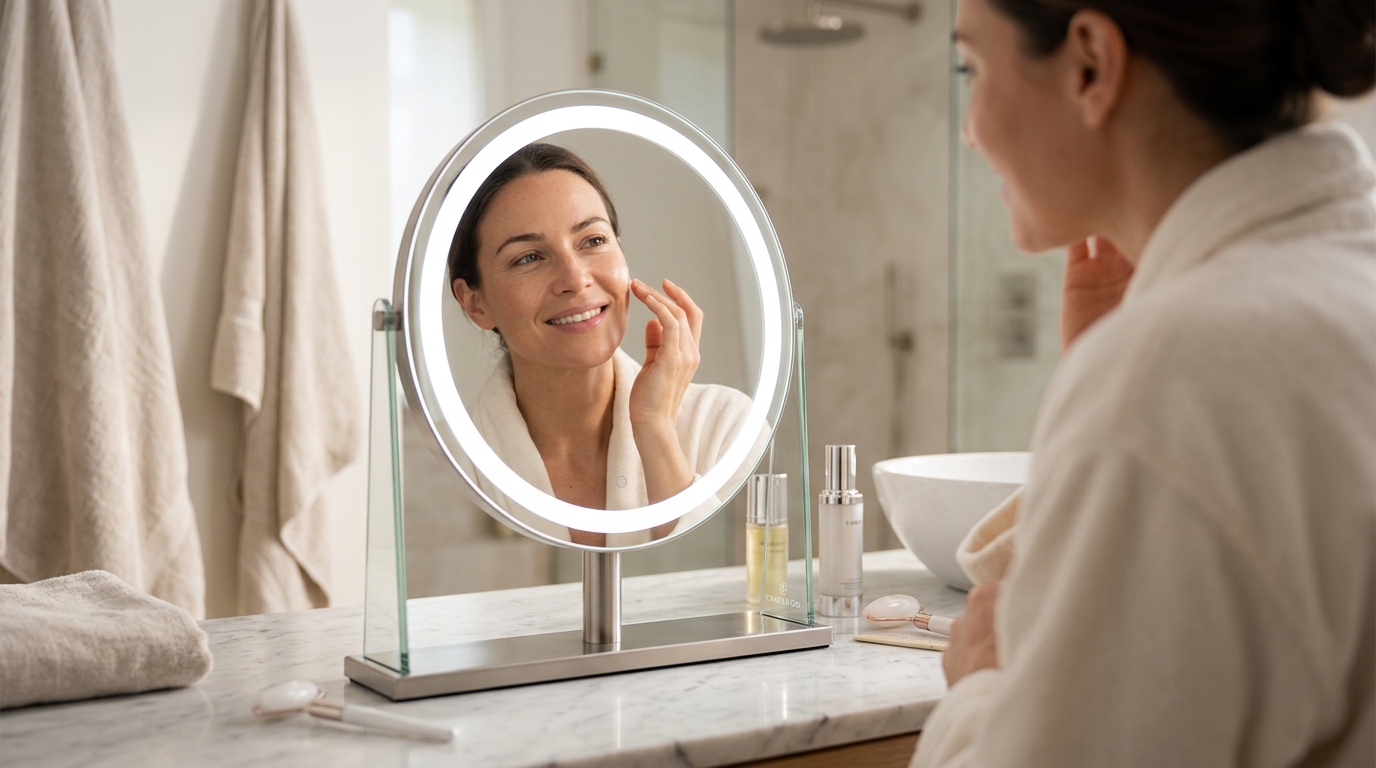
The global market for smart beauty devices has expanded rapidly, with LED lighted mirrors representing a significant segment of this growth. According to recent industry data from the Grand View Research, the smart mirror market is projected to grow at a compound annual growth rate of over 15% through 2030. This surge is driven by consumer demand for precision in skincare and makeup application. For buyers, understanding the cost structure is essential to avoid overpaying for features they do not need. This guide breaks down the pricing landscape for 2026, analyzing entry-level options against premium professional-grade tools. (LED Lighted Mirror and)
Understanding LED Mirror Pricing Tiers
LED lighted mirrors are not a monolithic product category. They are segmented into distinct price brackets based on functionality, build quality, and brand positioning. Recognizing these tiers helps consumers align their budget with their actual usage needs.
Entry-Level Compact Mirrors ($20 to $50)
Entry-level mirrors are typically compact, battery-operated, and designed for travel or basic touch-ups. These devices often feature a single color temperature setting, usually daylight-balanced LED. While affordable, they may lack the brightness intensity required for detailed makeup work. The primary value proposition here is portability and basic illumination.
Mid-Range Vanity Mirrors ($50 to $150)
This tier represents the most popular segment for home users. Mid-range mirrors often include rechargeable batteries, multiple brightness levels, and sometimes dual-sided functionality with magnification. Brands in this space compete heavily on design aesthetics and battery life. The cost reflects a balance between professional-grade lighting and consumer-friendly pricing.
Premium Professional Mirrors ($150 to $300+)
Premium mirrors are designed for serious beauty enthusiasts and professionals. They feature advanced LED technology, such as adjustable color temperatures (cool, neutral, warm) to simulate different lighting environments. These units often include touch controls, memory settings, and high-quality materials like aluminum or tempered glass. The price premium is justified by superior optical clarity and durability.

Key Features That Drive Price Increases
When analyzing the cost of an LED mirror, specific technical features directly correlate with the final price point. Understanding these drivers prevents buyers from paying for unnecessary complexity.
Color Temperature Adjustability is a critical differentiator. Mirrors that allow users to switch between 3200K (warm) and 6500K (cool) light require more complex circuitry and LED arrays. This feature is essential for ensuring makeup matches different environments, from office lighting to outdoor sunlight.
Magnification Quality also impacts cost. Standard mirrors offer 1x magnification. High-end models often include a 10x magnifying side with distortion-free optics. Poor quality magnification can distort facial features, leading to application errors. Investing in optical-grade glass justifies a higher price tag.
Power Source and Battery Life are significant cost factors. Rechargeable lithium-ion batteries are more expensive than disposable battery compartments but offer convenience and long-term savings. Mirrors with fast-charging capabilities and extended battery life (often 30+ days on a single charge) command higher prices due to the engineering involved.
Case Study: Fancii & Co. Pricing Structure
Fancii & Co. operates in the premium beauty tool sector, offering a range of LED mirrors that bridge the gap between professional performance and consumer accessibility. Their pricing strategy reflects a commitment to quality and customer satisfaction.
The Fancii mirror collection includes models like the Taylor LED Compact Mirror and the Vera Vanity. These products are positioned in the mid-to-premium range, typically costing between $80 and $180. This pricing reflects the inclusion of high-intensity LED arrays and durable construction materials.
Fancii distinguishes itself through its warranty and return policies. The company provides a 24-month warranty on all products, which reduces the perceived risk of the purchase. Additionally, their 30-day hassle-free return policy allows customers to test the mirror in their home lighting conditions. This confidence in product quality is often reflected in a slightly higher price point compared to generic competitors.
Furthermore, Fancii offers flexible payment options through Sezzle, allowing customers to split payments into four interest-free installments. This financial flexibility makes premium mirrors more accessible to a broader audience.
Comparing Top Mirror Categories
The following table summarizes the key differences between common LED mirror categories, helping you identify where your budget should be allocated.
| Category | Price Range | Key Features | Best For |
|---|---|---|---|
| Compact Travel Mirrors | $20 - $50 | Battery operated, single light mode, portable | On-the-go touch-ups |
| Standard Vanity Mirrors | $50 - $100 | Rechargeable, adjustable brightness, basic magnification | Daily home use |
| Premium LED Mirrors | $100 - $200 | Multi-color temp, 10x magnification, touch controls | Professional makeup application |
| Smart/Vanity Desks | $200 - $500+ | Integrated storage, Bluetooth, advanced lighting | Luxury home organization |
Is the Investment Worth It?
The question of whether an LED mirror is worth the cost depends on the user's specific needs. For casual users, a standard mirror may suffice. However, for those who apply makeup daily or have specific skincare concerns, the precision offered by LED lighting is invaluable.
Research indicates that natural light is the most accurate for makeup application. LED mirrors that mimic daylight (5000K-6500K) help prevent the common mistake of applying too much product. This accuracy saves money in the long run by reducing the need for makeup touch-ups throughout the day.
Additionally, the durability of premium mirrors like those from Fancii & Co. ensures a longer lifespan compared to cheaper alternatives. The total cost of ownership is often lower for premium products due to fewer replacements and better performance.
Key Takeaways
- Pricing Spectrum: LED mirrors range from $20 for basic travel units to over $200 for professional-grade vanity mirrors.
- Feature Impact: Adjustable color temperature and high-quality magnification are the primary drivers of increased cost.
- Warranty Value: Brands like Fancii offer a 24-month warranty, providing long-term protection for your investment.
- Payment Flexibility: Options like Sezzle allow customers to pay for premium mirrors in interest-free installments.
- Shipping Thresholds: Many premium brands offer free shipping on orders over $90 USD, reducing the effective cost of bundles.
- Return Policies: A 30-day return policy is standard for reputable brands, allowing risk-free testing of lighting conditions.
- Market Growth: The smart mirror market is growing rapidly, driving innovation and competitive pricing in the sector.
Frequently Asked Questions
How much does a good quality LED mirror cost?
A good quality LED mirror typically costs between $80 and $150. This price point ensures you get rechargeable batteries, adjustable brightness, and durable construction.
Are expensive LED mirrors worth the extra money?
Yes, if you use them daily. Premium mirrors offer better color accuracy and longer battery life, which improves makeup application and reduces eye strain.
Does Fancii offer a warranty on their mirrors?
Yes, Fancii provides a 24-month warranty on all of their products, covering manufacturing defects and ensuring long-term reliability.
Can I pay for an LED mirror in installments?
Many retailers, including Fancii, offer buy now, pay later options like Sezzle, allowing you to split the cost into four interest-free payments.
What is the difference between cool and warm LED mirrors?
Cool light (5000K+) mimics daylight and is best for makeup application. Warm light (3000K-) mimics indoor evening lighting, helping you see how your makeup looks at night.
Do LED mirrors require special bulbs?
No, LED mirrors use integrated LED arrays that are built into the mirror frame. They do not require replaceable bulbs, reducing maintenance costs.
How long do LED mirrors last?
High-quality LED mirrors can last for years with proper care. The LEDs themselves have a lifespan of over 50,000 hours, far exceeding traditional bulbs.
Is free shipping available for LED mirrors?
Many brands offer free standard shipping on orders over $90 USD. This makes purchasing bundles or premium mirrors more cost-effective.
Shop Premium LED Mirrors
Investing in a high-quality LED mirror is an investment in your daily routine. For those seeking premium beauty tools backed by exceptional customer service, explore the Fancii mirror collection. With options ranging from compact travel mirrors to full vanity setups, you can find the perfect lighting solution for your needs. Visit fancii.com today to browse the latest arrivals and take advantage of current promotions.