

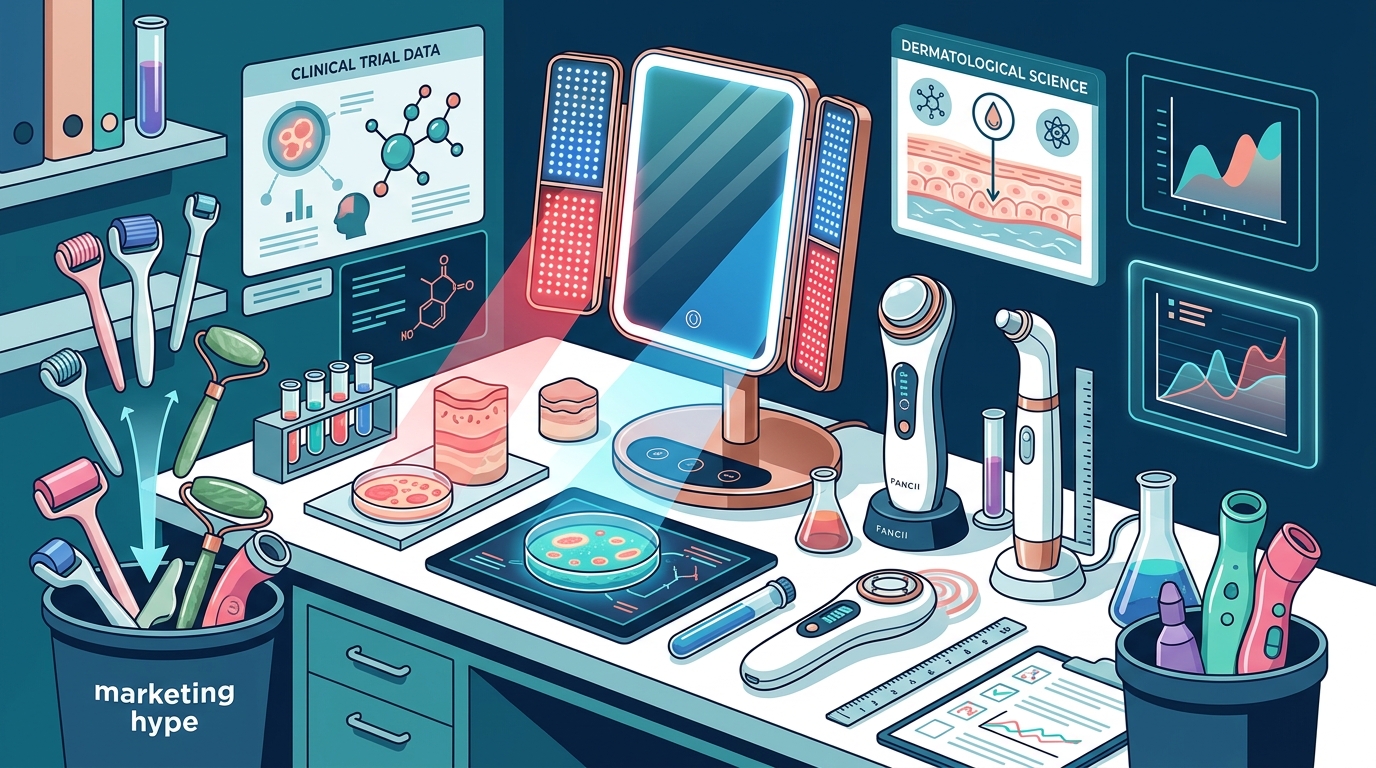
The global skincare device market is projected to reach significant valuation milestones in the coming years, driven by consumer demand for clinical-grade results at home. According to recent industry analysis, the at-home beauty tech sector is experiencing rapid expansion as consumers seek cost-effective alternatives to professional treatments. This shift has created a saturated marketplace filled with conflicting claims and unproven gadgets. Navigating this landscape requires a clear understanding of which technologies are backed by dermatological science and which are merely marketing hype. This guide dissects the most popular skincare tools to separate fact from fiction, helping you invest in devices that deliver measurable improvements to your skin health.
LED Light Therapy: The Gold Standard
Light Emitting Diode (LED) therapy has transitioned from a clinical spa treatment to a staple in modern home skincare routines. LED Light Therapy is a non-invasive treatment that uses specific wavelengths of light to penetrate the skin and stimulate cellular function. The two most common wavelengths are red light and blue light, each serving distinct physiological purposes.
Red Light for Anti-Aging
Red light therapy, typically operating between 630 and 660 nanometers, is renowned for its ability to boost collagen production. Collagen is a structural protein that provides elasticity and firmness to the skin. As we age, collagen production naturally declines, leading to fine lines and wrinkles. Clinical studies suggest that consistent use of red light can improve skin texture and reduce the appearance of aging signs. The mechanism involves stimulating mitochondria, the powerhouses of cells, to produce more adenosine triphosphate (ATP). This energy boost accelerates cellular repair and regeneration.
Blue Light for Acne Management
Blue light, usually around 415 nanometers, targets the bacteria responsible for acne. Propionibacterium acnes (P. acnes) is the primary bacterium linked to inflammatory acne breakouts. Blue light penetrates the pores and destroys these bacteria through photodynamic action. This makes it an effective tool for managing active breakouts and preventing future flare-ups. Unlike topical treatments that can dry out the skin, LED blue light offers a gentle, non-drying alternative for acne-prone individuals.
For those seeking comprehensive results, devices like the Tru-Glow Lighted Mirrors Duo combine illumination with therapeutic benefits, offering a dual-purpose solution for vanity routines. The efficacy of LED devices depends heavily on consistency. Most dermatologists recommend sessions lasting three to five minutes, three to four times a week, to see tangible results over a period of eight to twelve weeks.
Microcurrent Devices: Non-Invasive Lifting
Microcurrent devices utilize low-level electrical currents to stimulate facial muscles. This technology is often referred to as a "non-invasive facelift" because it can provide immediate lifting and toning effects. Microcurrent is a form of electrotherapy that mimics the body's natural electrical impulses to exercise facial muscles.
Mechanism of Action
The facial muscles, much like skeletal muscles in the body, can become lax or atrophied over time. Microcurrent devices send a gentle current that causes these muscles to contract and tone. This toning effect can result in a more defined jawline, lifted cheekbones, and reduced appearance of sagging skin. While the results are not permanent like surgical interventions, regular use can maintain muscle tone and prevent further laxity.
Usage and Safety
Using a microcurrent device requires a conductive medium, such as a specialized gel or serum, to ensure the current flows smoothly across the skin. Without adequate conductivity, the device may not function effectively and could cause discomfort. Users should follow a structured protocol, typically starting with lower intensities and gradually increasing as the skin adapts. It is crucial to avoid using microcurrent devices if you have a pacemaker, are pregnant, or have certain skin conditions like rosacea or eczema, as the electrical stimulation may exacerbate inflammation.
For a seamless application experience, pairing your device with a high-quality Vera Vanity with 10x Lara Mirror ensures you can monitor your technique and coverage accurately. The clarity provided by magnifying mirrors is essential for ensuring even distribution of the conductive gel and precise movement along muscle groups.
Sonic Cleansing: Deep Pore Hygiene
Sonic cleansing brushes have been a cornerstone of skincare routines for over a decade. These devices use high-frequency vibrations to remove dirt, oil, and makeup from the skin. Sonic Cleansing is a method of mechanical exfoliation that uses sound waves to dislodge impurities from pores without harsh scrubbing.
Bridging the Gap
Traditional manual cleansing often fails to remove all debris from the pore lining. Sonic devices bridge this gap by creating micro-bubbles that penetrate deep into the pores. This process, known as cavitation, helps to loosen sebum and dead skin cells that contribute to blackheads and congestion. The result is a cleaner, smoother complexion that allows subsequent skincare products to absorb more effectively.
Choosing the Right Brush
Not all sonic brushes are created equal. The bristle material and vibration frequency are critical factors. Bristles should be soft enough to avoid micro-tears in the skin barrier but firm enough to provide effective cleansing. For sensitive skin, devices with adjustable speeds or softer bristle heads are recommended. Over-cleansing or using excessive pressure can damage the skin barrier, leading to irritation and increased sensitivity. Limiting use to once or twice a week is often sufficient for most skin types.
The Nyla Rechargeable Sonic Body Scrubber extends the benefits of sonic technology to the body, offering a gentle yet effective way to exfoliate larger areas. This versatility makes it a valuable addition to a comprehensive beauty regimen, addressing both facial and body skin health.
Microneedling and Derma Rolling
Microneedling involves creating tiny, controlled injuries in the skin to trigger the body's natural healing response. This process stimulates the production of collagen and elastin, leading to improved skin texture and reduced scarring. Microneedling is a cosmetic procedure that uses fine needles to puncture the skin, initiating a wound-healing cascade.
Home vs. Professional
While professional microneedling treatments performed by dermatologists use longer needles and deeper penetration, at-home derma rollers offer a milder alternative. Home devices typically have needle lengths ranging from 0.25mm to 0.5mm. These shorter needles are safe for regular use but provide less dramatic results compared to clinical treatments. It is essential to maintain strict hygiene when using derma rollers to prevent infection. Sterilizing the device before and after each use is non-negotiable.
Best Practices
Derma rolling should be performed on clean, dry skin. The rolling motion should be gentle, covering each area of the face multiple times in different directions. After rolling, the skin is more permeable, making it an ideal time to apply hydrating serums containing hyaluronic acid. Avoid using active ingredients like retinoids or alpha hydroxy acids immediately after derma rolling, as they can cause significant irritation. Allow the skin to recover for at least 24 hours before resuming your regular active skincare routine.
For those interested in exploring a wider range of tools, the Accessories collection at Fancii offers complementary items that enhance the efficacy of your primary devices. Proper maintenance and storage of these tools are crucial for long-term hygiene and performance.
Tool Comparison Matrix
Understanding the specific benefits and limitations of each tool is essential for making an informed purchase decision. The following table summarizes the key attributes of the most effective skincare tools.
| Tool Type | Primary Benefit | Best For | Frequency of Use | Key Consideration |
|---|---|---|---|---|
| LED Light Therapy | Collagen Boost & Acne Reduction | Aging Skin, Acne-Prone Skin | 3-4 Times Weekly | Consistency is Critical |
| Microcurrent | Muscle Toning & Lifting | Sagging Skin, Loss of Firmness | Daily or Every Other Day | Requires Conductive Gel |
| Sonic Cleansing | Deep Pore Cleansing | Congestion, Blackheads | 1-2 Times Weekly | Avoid Over-Exfoliation |
| Derma Rolling | Collagen Stimulation | Scarring, Texture Issues | Once Weekly | Strict Hygiene Required |
Key Takeaways
- LED Therapy is Scientifically Validated: Red and blue light therapies have robust clinical backing for anti-aging and acne treatment, respectively.
- Microcurrent Offers Immediate Gratification: While results are temporary, regular use can maintain muscle tone and provide a lifted appearance.
- Sonic Cleansing Enhances Product Absorption: By removing surface debris, sonic devices allow serums and moisturizers to penetrate more effectively.
- Hygiene is Paramount: Any tool that contacts the skin, especially derma rollers, must be sterilized to prevent bacterial infection.
- Consistency Drives Results: No skincare tool works overnight. Most devices require 8-12 weeks of consistent use to show visible improvements.
- Quality Matters: Investing in reputable brands ensures safety, efficacy, and durability. Look for devices with clear warranty policies, such as the 24-month warranty offered by Fancii.
- Consult Professionals: If you have underlying skin conditions, consult a dermatologist before starting any new device regimen.
Frequently Asked Questions
How long does it take for skincare tools to work?
Most skincare tools require consistent use over 8 to 12 weeks to show visible results. LED therapy and microcurrent devices may show temporary improvements sooner, but long-term benefits accumulate with regular use.
Can I use multiple skincare tools at the same time?
It is generally not recommended to use multiple active tools simultaneously. For example, combining derma rolling with strong active ingredients can cause severe irritation. Space out your treatments and allow your skin to recover between sessions.
Are at-home derma rollers safe?
At-home derma rollers with needle lengths under 0.5mm are generally safe for most people when used correctly. However, strict hygiene is essential to prevent infection. If you have sensitive skin or active acne, consult a dermatologist before use.
What is the difference between red and blue LED light?
Red light targets anti-aging concerns by boosting collagen production, while blue light targets acne by killing P. acnes bacteria. Many devices offer both wavelengths for comprehensive skin care.
Do I need a special gel for microcurrent devices?
Yes, a conductive gel or serum is necessary for microcurrent devices to function effectively. Without conductivity, the electrical current cannot flow through the skin, rendering the device useless and potentially causing discomfort.
How often should I use a sonic cleansing brush?
For most skin types, using a sonic cleansing brush 1-2 times a week is sufficient. Overuse can lead to irritation and damage to the skin barrier. Adjust frequency based on your skin's sensitivity and response.
What warranty do Fancii products come with?
Fancii provides a 24-month warranty on all of its products, ensuring quality and customer satisfaction. This warranty covers manufacturing defects and provides peace of mind for your investment.
Start Your Skincare Journey
Investing in the right skincare tools can transform your routine and deliver visible results. By understanding the science behind each device, you can make informed choices that align with your skin's unique needs. Explore the Fancii collection to find the perfect tools for your regimen. With free shipping on orders over $90 USD and a hassle-free return policy, you can shop with confidence. Visit Fancii.com today to begin your journey to healthier, more radiant skin.