
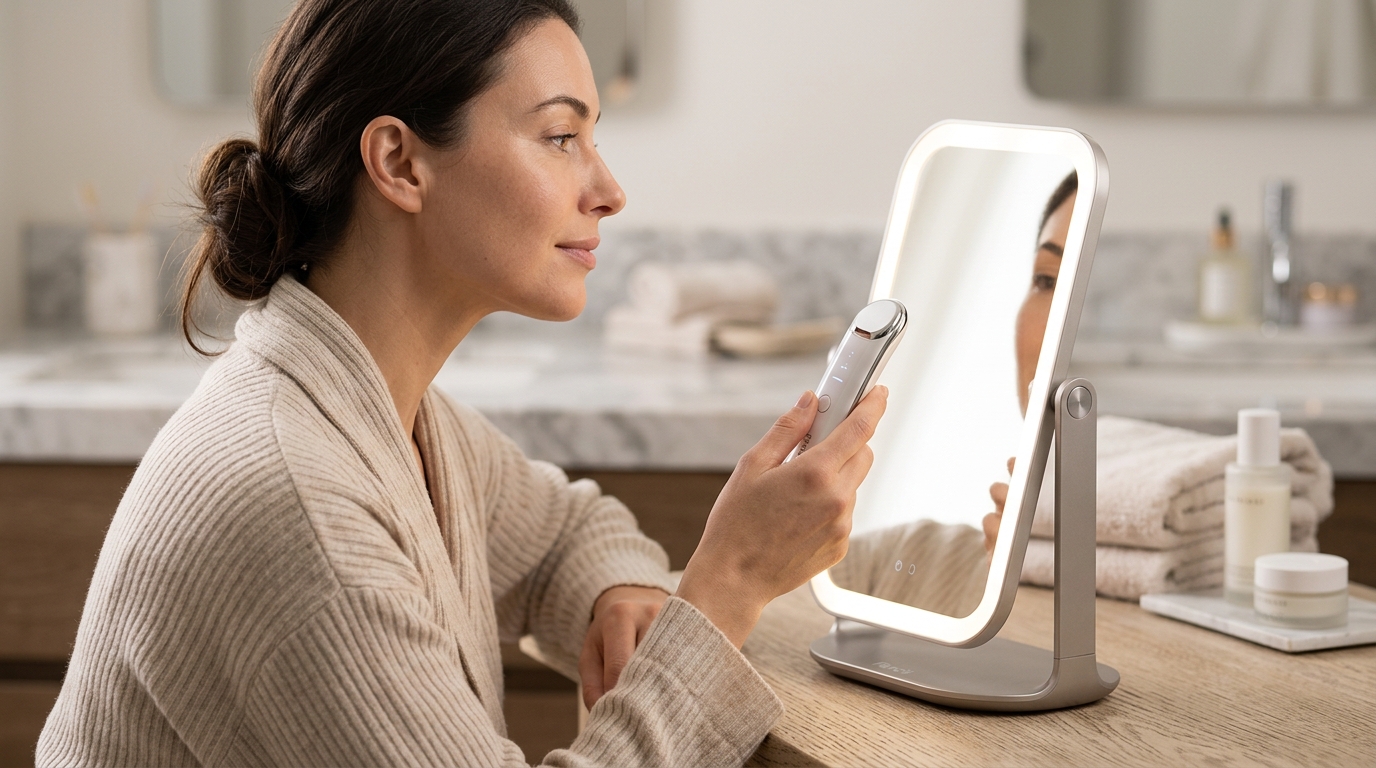
The global skincare tools market is projected to exceed $10 billion by 2027, driven by consumer demand for clinical-grade results at home. According to Grand View Research, this growth is fueled by the integration of LED therapy and microcurrent technology into daily routines. However, not all devices deliver the promised efficacy. This guide analyzes the scientific validity of popular beauty tools to help you invest wisely in your skincare regimen.
LED Light Therapy: The Science of Wavelengths
LED (Light Emitting Diode) therapy is one of the most scientifically supported modalities in non-invasive skincare. It works by delivering specific wavelengths of light to the skin cells, stimulating cellular function without heat damage. Studies published in the Journal of Clinical and Aesthetic Dermatology confirm that red light (630-660 nm) promotes collagen production and reduces inflammation.
Red vs. Blue Light
Red light targets deeper dermal layers to combat aging, while blue light (405-420 nm) penetrates the surface to kill acne-causing bacteria. The American Academy of Dermatology notes that consistent use of blue light can significantly reduce active breakouts. For optimal results, look for devices that offer adjustable intensity and multiple wavelengths.
At Fancii & Co., we prioritize devices like the Tru-Glow Lighted Mirrors which integrate therapeutic LED technology directly into your vanity routine. These mirrors provide even, shadow-free illumination that mimics natural daylight, ensuring your skincare application is precise and effective.
Microcurrent Devices: Lifting and Toning
Microcurrent devices use low-level electrical currents to stimulate facial muscles. This process, often called a "non-surgical face lift," helps to tone and lift sagging skin. Research in the Journal of Cosmetic Dermatology indicates that regular microcurrent use can improve facial contouring and increase collagen density.
How It Works
The device sends a gentle current that mimics the body's natural bioelectricity. This stimulates ATP (adenosine triphosphate) production in cells, leading to firmer skin and improved lymphatic drainage. While results are not immediate, consistent use over several weeks yields visible tightening effects.
When selecting a microcurrent device, ensure it comes with a high-quality conductive gel. Without proper conductivity, the current cannot penetrate the skin effectively. Explore our curated selection of skincare tools designed to maximize conductivity and user comfort.
Sonic and Ultrasonic Exfoliation
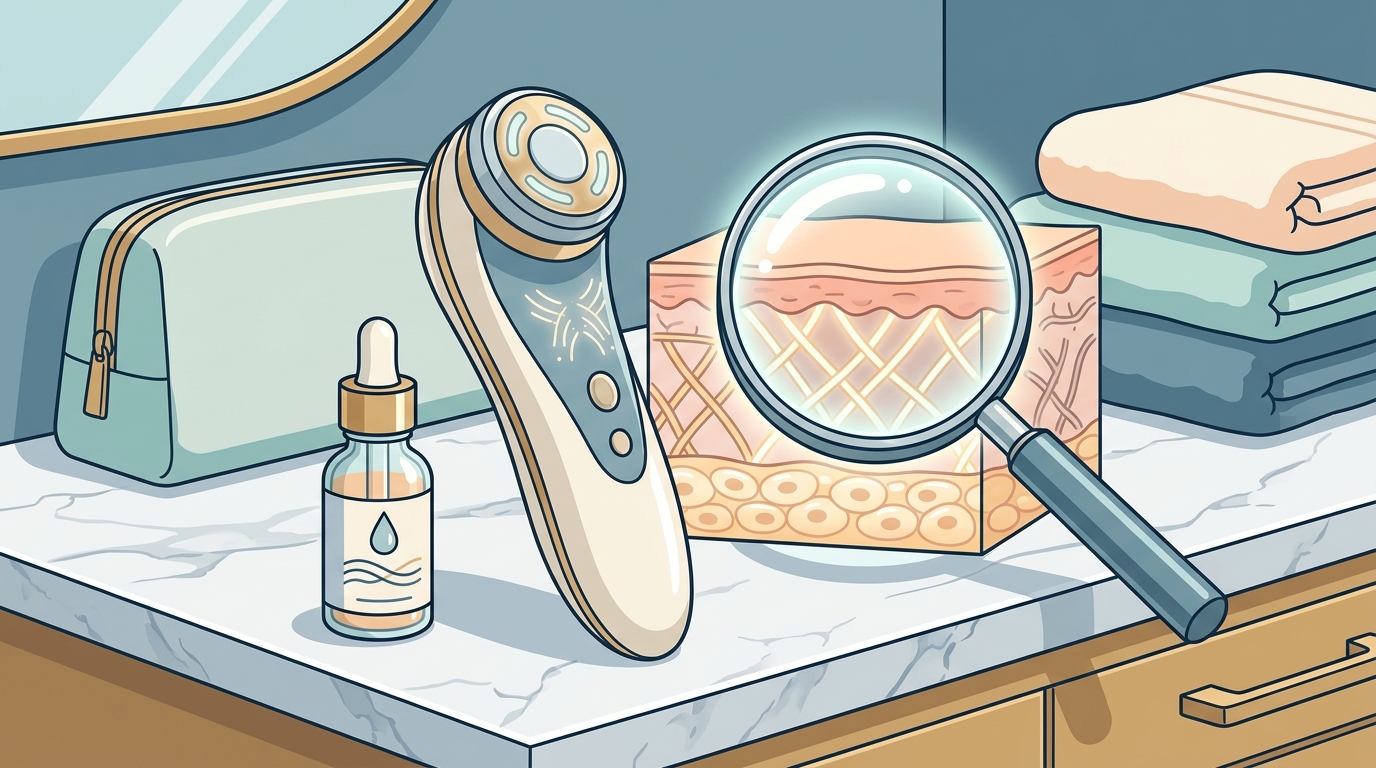
Sonic skincare tools utilize high-frequency vibrations to cleanse pores and enhance product absorption. Unlike physical scrubs, which can cause micro-tears in the skin, sonic devices provide a gentle yet thorough cleanse. Dermatological studies suggest that sonic cleansing can remove up to 99% of surface impurities without disrupting the skin barrier.
The Nyla Difference
The Nyla Rechargeable Sonic Body Scrubber is a prime example of this technology applied to body care. It uses sonic vibrations to exfoliate dead skin cells and improve circulation. This tool is particularly effective for preventing ingrown hairs and achieving smoother skin texture on larger areas like legs and arms.
For facial use, sonic brushes should be used with caution. Over-exfoliation can lead to sensitivity and redness. Limit usage to 2-3 times per week, depending on your skin type. Our accessories collection includes replacement heads and conductive serums to support your sonic routine.
Microneedling and Derma Rollers
Microneedling involves creating tiny punctures in the skin to trigger the body's wound healing response. This process stimulates collagen and elastin production. Clinical trials have shown that microneedling can significantly improve the appearance of scars, wrinkles, and stretch marks.
Safety and Hygiene
While effective, microneedling carries a risk of infection if not performed correctly. It is crucial to sterilize your derma roller before and after each use. Healthline recommends replacing derma rollers every 3-4 months to prevent bacterial buildup and ensure needle sharpness.
For those new to microneedling, start with a shorter needle length (0.25mm) to minimize irritation. Always apply a hyaluronic acid serum during the process to aid hydration and healing. Bundle deals often include essential serums and protective cases to maintain hygiene.
Tool Comparison Matrix
| Tool Type | Primary Benefit | Scientific Support | Best For | Frequency |
|---|---|---|---|---|
| LED Light Therapy | Collagen Boost & Acne Reduction | High | Aging & Breakouts | Daily |
| Microcurrent | Facial Lifting & Toning | Moderate-High | Sagging Skin | 2-3x Weekly |
| Sonic Cleanser | Deep Pore Cleansing | High | Dullness & Congestion | 2-3x Weekly |
| Derma Roller | Scar & Wrinkle Reduction | High | Texture & Scarring | Monthly |
Key Takeaways
- LED Therapy is Proven: Red and blue light wavelengths have strong clinical backing for anti-aging and acne treatment.
- Microcurrent Requires Consistency: Results accumulate over time; daily or near-daily use is necessary for visible lifting.
- Sonic Tools are Gentle: They offer superior cleansing compared to physical scrubs, preserving the skin barrier.
- Hygiene is Critical: Microneedling devices must be sterilized to prevent infection and ensure safety.
- Quality Matters: Invest in devices from reputable brands like Fancii & Co. that prioritize medical-grade components and safety standards.
- Consult Professionals: Always consult a dermatologist before starting new treatments, especially if you have sensitive skin or existing conditions.
- Patience is Key: Most skincare tools require 4-8 weeks of consistent use to show significant results.
Frequently Asked Questions
How long does it take for LED light therapy to work?
Most users see improvements in skin texture and tone within 4 to 8 weeks of consistent daily use. Clinical studies suggest that collagen production increases steadily over this period.
Can I use a microcurrent device every day?
Yes, microcurrent devices can be used daily, especially for maintenance. However, for significant lifting effects, a more intensive initial phase of daily use followed by weekly maintenance is often recommended.
Are sonic skincare tools safe for sensitive skin?
Sonic tools are generally safer than physical scrubs for sensitive skin. However, start with the lowest setting and limit use to 2 times per week to assess tolerance.
How often should I replace my derma roller?
It is recommended to replace your derma roller every 3 to 4 months. Dull needles can cause more damage than benefit, and hygiene degrades over time.
What is the difference between red and blue LED light?
Red light targets anti-aging and collagen production, while blue light focuses on killing acne-causing bacteria and reducing inflammation.
Do I need a conductive gel for microcurrent?
Yes, a conductive gel or serum is essential. Without it, the electrical current cannot penetrate the skin, rendering the device ineffective and potentially causing discomfort.
Can I use skincare tools while pregnant?
Microcurrent and microneedling are generally not recommended during pregnancy. LED light therapy is considered safe, but always consult your healthcare provider first.
Start Your Skincare Journey
Investing in the right skincare tools can transform your routine and deliver visible results. At Fancii & Co., we offer a range of premium devices, including LED mirrors and sonic scrubbers, designed to meet your specific needs. Shop our full collection today and take the first step toward healthier, more radiant skin. Enjoy free shipping on orders over $90 and a 24-month warranty on all products.