

The global market for at-home beauty devices has exploded, with industry data showing significant growth in consumer spending on personal care technology. According to recent market analysis reports, the at-home beauty device market is projected to reach substantial valuation milestones by 2026, driven by a consumer shift toward professional-grade results without the salon visit. This surge has created a crowded landscape of claims, making it difficult to distinguish between genuine innovation and marketing hype. Understanding which tools deliver measurable benefits requires looking past the packaging and examining the underlying technology and clinical evidence.
LED Light Therapy: The Science of Wavelengths
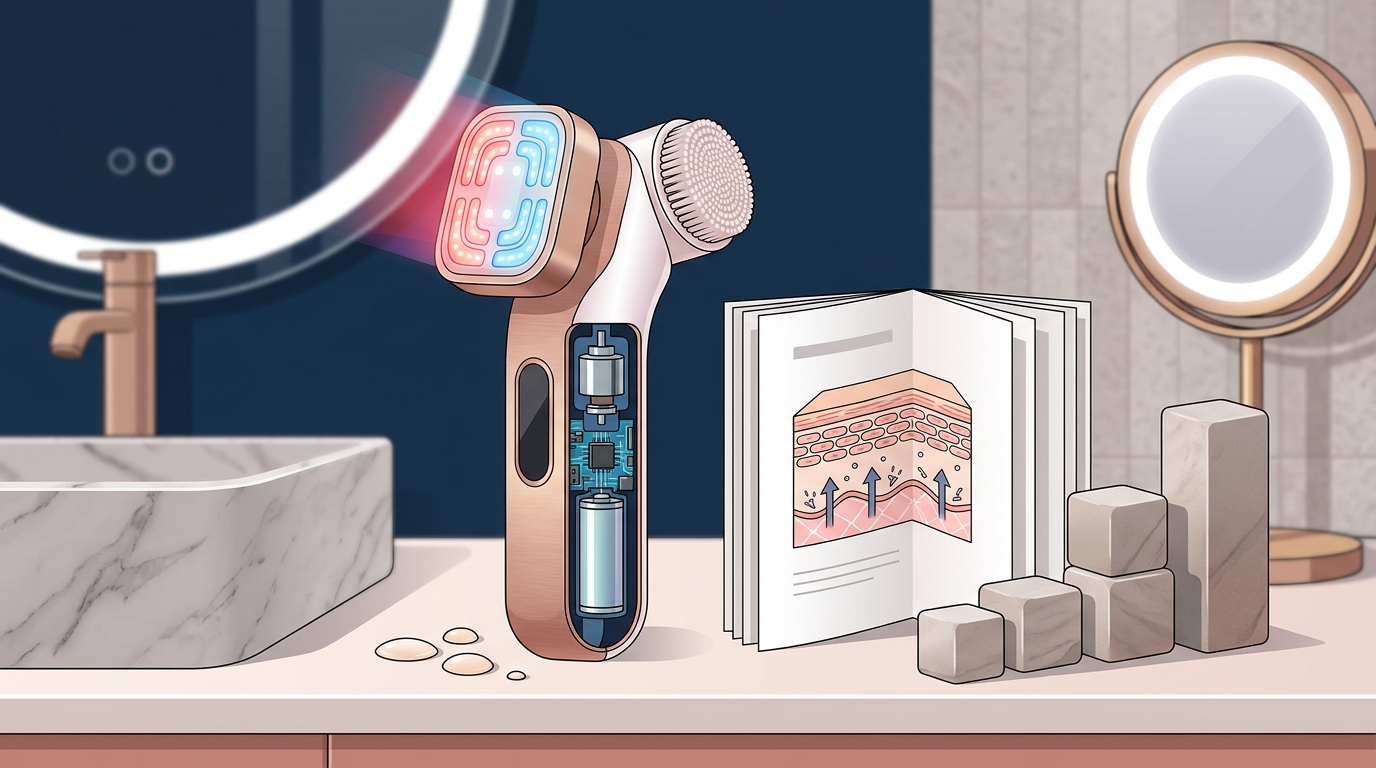
LED light therapy has moved from dermatologist offices to vanity tops, becoming one of the most researched modalities in cosmetic dermatology. The core mechanism relies on photobiomodulation, where specific wavelengths of light penetrate the skin to stimulate cellular function. Red light, typically around 630 to 660 nanometers, is known to boost collagen production and reduce inflammation. Blue light, usually around 415 nanometers, targets acne-causing bacteria by disrupting their metabolic processes.
Research indicates that consistent use of LED devices can lead to visible improvements in skin texture and tone. A study published in the Journal of Investigative Dermatology highlighted the efficacy of red light in promoting wound healing and collagen synthesis. For those seeking non-invasive anti-aging solutions, LED masks offer a compelling alternative to more aggressive treatments. The key to success lies in consistency and wavelength accuracy.
When evaluating LED devices, look for FDA-cleared options that specify their output wavelengths. Brands like Fancii have integrated LED technology into mirrors and compact devices, bringing clinical-grade light therapy into daily routines. These devices often feature multiple modes, allowing users to switch between red light for anti-aging and blue light for acne management. The convenience of having light therapy available during a morning routine significantly improves adherence to treatment protocols.
Microcurrent Devices: Non-Invasive Lifting
Microcurrent devices use low-level electrical currents to stimulate facial muscles, resulting in a temporary lifting and toning effect. This technology mimics the body's natural electrical currents, which help cells produce ATP, the energy source for cellular repair and regeneration. The immediate visual result is often described as a "non-surgical facelift," with users reporting a more defined jawline and lifted cheekbones after use.
Clinical studies suggest that regular microcurrent use can improve muscle tone and skin elasticity over time. According to data from the American Academy of Dermatology, while results are not permanent, consistent use can maintain improved muscle tone. The device works by causing micro-contractions in the facial muscles, similar to a workout for the face. This process requires a conductive gel or serum to ensure the current flows smoothly across the skin surface.
For optimal results, users must follow a structured routine. Most experts recommend using microcurrent devices two to three times per week. The initial phase often involves daily use for the first few weeks to "wake up" the muscles, followed by maintenance sessions. It is crucial to choose a device with adjustable intensity levels to accommodate different skin sensitivities. The best seller microcurrent tools often include ergonomic handles and multiple electrode heads to target different facial zones effectively.
Sonic Cleansing: Beyond Basic Exfoliation
Sonic cleansing brushes utilize high-frequency vibrations to remove dirt, oil, and makeup from the pores. This technology is fundamentally different from manual scrubbing, as it relies on fluid dynamics to cleanse the skin without excessive friction. The rapid oscillations create a micro-massage effect that can improve circulation and promote a healthy glow. Many dermatologists recommend sonic cleansing for its ability to provide a deeper clean than hand washing alone.
Research published in the Journal of the American Academy of Dermatology supports the use of sonic devices for improving skin clarity and reducing the appearance of pores. The vibrations help to dislodge debris from the follicular openings, preventing the formation of comedones. However, overuse can lead to barrier disruption, so it is essential to limit usage to once or twice daily.
Choosing the right sonic tool involves considering brush head materials and speed settings. Silicone heads are often preferred for sensitive skin due to their hygienic properties and lack of bristle wear. The accessories market for these devices offers various replacements to maintain hygiene and performance. Users should also look for waterproof designs that allow for easy cleaning and use in the shower. The integration of sonic technology into everyday tools like mirrors and compact devices makes consistent cleansing more accessible.
Microneedling and Collagen Induction
Microneedling, also known as collagen induction therapy, involves creating controlled micro-injuries in the skin to trigger the body's natural healing response. This process stimulates the production of collagen and elastin, which are essential for skin firmness and elasticity. While professional microneedling uses longer needles and is performed by licensed practitioners, at-home derma rollers offer a milder alternative for maintenance and mild texture improvement.
Studies indicate that microneedling can significantly improve the appearance of scars, wrinkles, and stretch marks. According to a review in the National Center for Biotechnology Information, the depth of needle penetration is critical for efficacy and safety. At-home devices typically use shorter needles (0.2mm to 0.5mm) to minimize risk while still promoting product absorption. It is vital to sterilize the device before and after each use to prevent infection.
For those new to microneedling, starting with a lower needle length and gradually increasing frequency is recommended. The procedure should be performed on clean, dry skin, followed by the application of a hyaluronic acid serum to maximize hydration and healing. The bundle options for skincare tools often include complementary serums that enhance the benefits of microneedling. Users must be cautious not to over-treat the skin, as this can lead to irritation and hyperpigmentation.
How to Choose the Right Tool for Your Skin
Selecting the appropriate skincare tool depends on individual skin concerns, budget, and commitment level. It is essential to align the tool's mechanism with specific goals, such as acne reduction, anti-aging, or deep cleansing. Consulting with a dermatologist can provide personalized recommendations based on skin type and medical history. The following table summarizes the primary benefits and ideal candidates for each major tool category.
| Tool Category | Primary Benefit | Ideal For | Frequency of Use |
|---|---|---|---|
| LED Light Therapy | Collagen stimulation and acne reduction | All skin types, especially aging or acne-prone | 3-5 times per week |
| Microcurrent | Muscle toning and lifting | Sagging skin, loss of definition | 2-3 times per week |
| Sonic Cleansing | Deep pore cleansing and exfoliation | Oily, congested, or dull skin | 1-2 times per day |
| Microneedling | Collagen induction and scar reduction | Textured skin, scars, wrinkles | Every 4-6 weeks |
When investing in skincare tools, consider the total cost of ownership, including replacement parts and compatible serums. The all products catalog often features bundles that offer significant savings compared to purchasing items individually. Additionally, look for brands that provide a warranty and customer support, ensuring long-term reliability. The support resources available online can guide users through setup and troubleshooting, enhancing the overall user experience.
Key Takeaways
- LED light therapy uses specific wavelengths to stimulate collagen and kill acne bacteria, with clinical backing for its efficacy.
- Microcurrent devices provide temporary lifting effects by toning facial muscles, requiring consistent use for maintained results.
- Sonic cleansing brushes offer a deeper clean than manual washing, improving skin clarity and reducing pore appearance.
- Microneedling induces collagen production through controlled micro-injuries, but requires strict hygiene and proper needle depth selection.
- Choosing the right tool depends on aligning the technology with specific skin concerns and committing to a regular usage schedule.
- Investing in high-quality devices with warranties and support ensures long-term value and safety.
- Combining tools in a strategic routine can address multiple skin concerns simultaneously for comprehensive results.
Frequently Asked Questions
Are at-home skincare tools as effective as professional treatments?
At-home tools can provide significant benefits, but they are generally less powerful than professional in-office treatments. They are best suited for maintenance and mild improvements rather than dramatic transformations.
How often should I use a microcurrent device?
For best results, use a microcurrent device two to three times per week. Initial phases may require more frequent use to "wake up" the muscles, followed by maintenance sessions.
Can I use LED light therapy every day?
Yes, LED light therapy is generally safe for daily use. However, following the manufacturer's guidelines is crucial to avoid overexposure and ensure optimal results.
What is the difference between red and blue LED light?
Red light targets anti-aging concerns like wrinkles and collagen loss, while blue light focuses on acne by killing bacteria. Many devices offer both modes for comprehensive care.
Is microneedling safe for home use?
Microneedling can be safe at home if performed with sterile, short-needle devices and proper hygiene. However, deeper needling should be left to professionals to avoid scarring and infection.
Do sonic cleansing brushes damage the skin?
When used correctly with gentle pressure and appropriate brush heads, sonic brushes do not damage the skin. Overuse or aggressive scrubbing can lead to irritation and barrier disruption.
What serums work best with skincare tools?
Conductive serums are ideal for microcurrent devices, while hyaluronic acid and peptides complement microneedling. For LED therapy, simple, non-irritating moisturizers are sufficient.
Start Your Skincare Journey
Investing in the right skincare tools can transform your routine and deliver visible results. By understanding the science behind each technology, you can make informed decisions that align with your skin goals. Explore the full range of premium beauty tools at Fancii & Co. to find the perfect devices for your needs. Visit our homepage to discover new arrivals and exclusive bundles designed to enhance your skincare regimen.